( Anggoro Budi Nugroho, Ph.D. )
Economic observer Ferry Latuhihin has frequently criticized the policies of Indonesia’s Finance Minister, Purbaya Yudi Sadewa. In a podcast response, Purbaya dismissed Ferry’s views by pointing out that he does not hold a doctoral degree and should pursue further education:
This line of argument feels overly ‘academicist’ and somewhat misplaced. He also even further mocked Ferry’s Professor nickname, which he considered questionable, regarding of which institution it came from.
Purbaya’s reaction may stem from frustration over a series of policy missteps and unmet projections. Among them are the failure of additional liquidity injections to stimulate bank lending, his earlier claim that the economy would improve within three months of his appointment, and the ambitious projection of 8% economic growth—none of which have materialized so far.
His controversial remark labeling the IMF as “stupid”:
in a public forum further highlights concerns about his communication style (I have shared discussions about this statement with my PhD colleagues including those currently in The United States and about to enter the IMF. Perhaps they can share their views with the organization). Ironically, while such statements may undermine credibility, the minister appears dissatisfied when markets respond negatively, as reflected in continued downgrades by international rating agencies.
Ferry’s rising prominence can also be seen as filling a vacuum left by the sudden and nearly simultaneous passing of two senior Indonesian economists, Faisal Basri and Rizal Ramli. I first encountered Ferry during my university years, when he was still working at BII Bank and I was a freshman at the Faculty of Economics, Gadjah Mada University.
Meanwhile, President Prabowo Subianto’s statement that the Prabowo–Gibran administration would “discipline” observers, including economists, signals a growing unease within the government toward critical analysis. Economic experts typically base their views on objective data and facts, free from vested interests.
The government’s defensive tone—such as Purbaya’s reliance on academic credentials to discredit Ferry—suggests a weakening ability to justify policies with solid reasoning. Attempts to silence independent and critical economists may indicate two things: first, that their critiques hold merit; and second, that policymakers are increasingly under pressure as confidence in their analyses begins to erode.
Prabowo’s remarks also raise concerns that such rhetoric could be used to shield policymakers from public scrutiny, especially at a time when purchasing power is weakening, layoffs are increasing, and real consumption is declining.
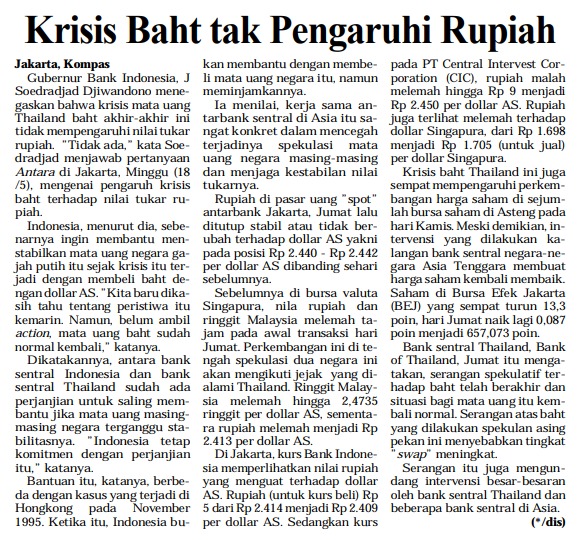
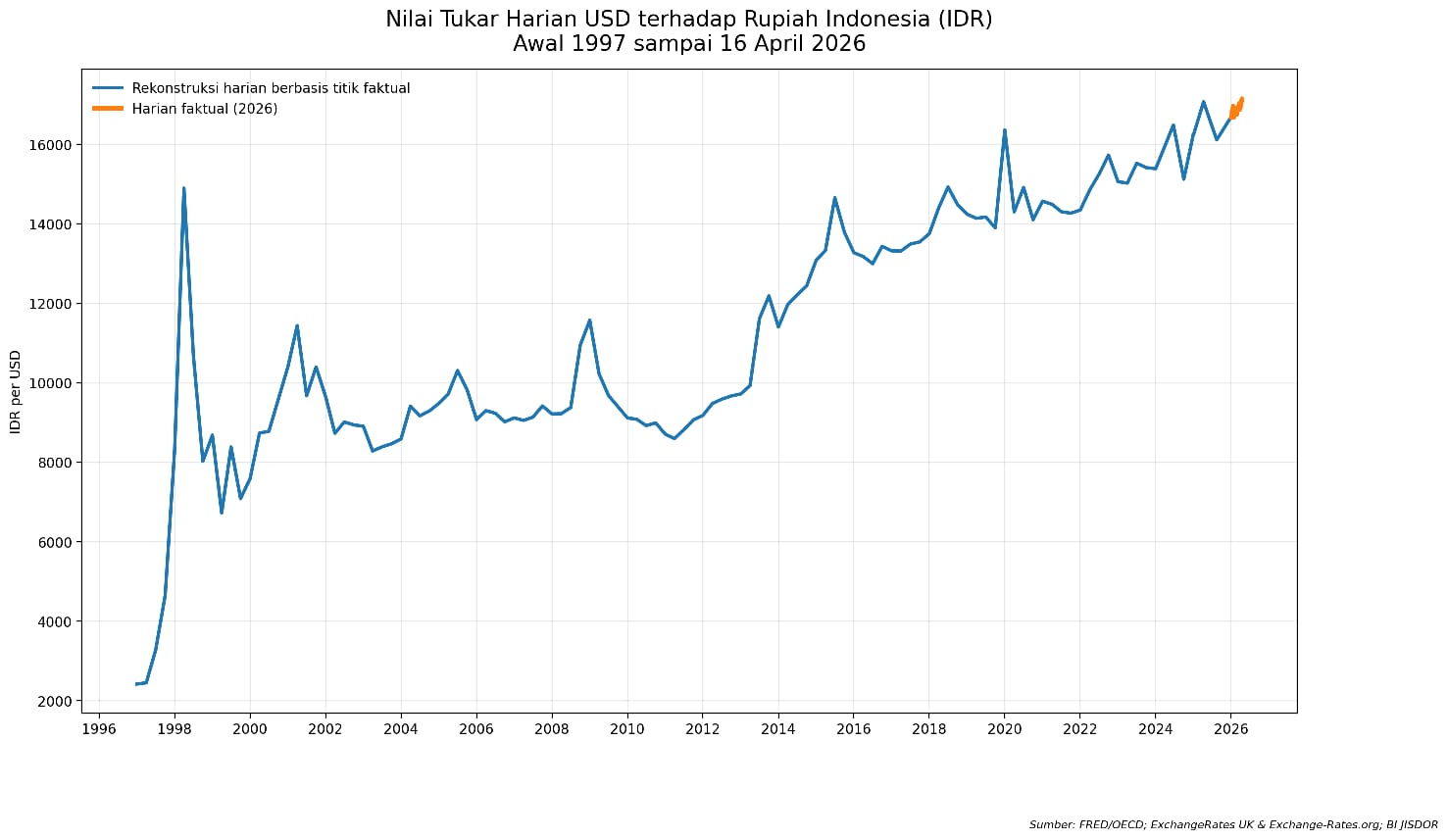
History offers a cautionary lesson. In the second quarter of 1997, Bank Indonesia Governor Soedradjad Djiwandono asserted that Indonesia and the rupiah would remain unaffected by the Thai baht crisis. Reality proved otherwise—analysts were right, and the governor was not. While his statement may have aimed to prevent panic, the outcome was far from reassuring.
At that time, we were all witnesses when the US dollar was still around Rp2,500. Today, the question remains: will the public place its trust in government assurances, or in independent, data-driven observers like Ferry?